

InMind Health News & Updates



Children’s Grief Awareness Day: Supporting Children in Their Grief
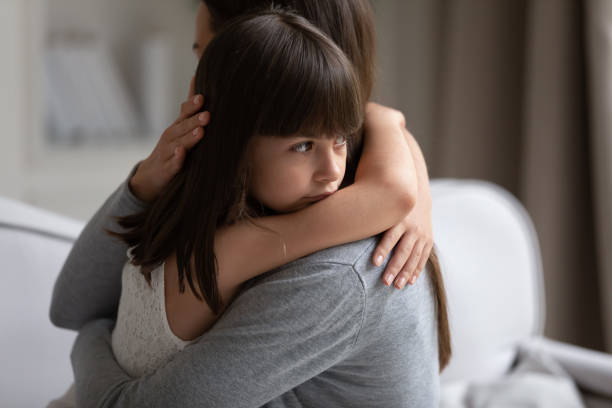
How can adults effectively be supporting children in their grief? The purpose of Children’s Grief Awareness Day on the third Thursday in November is to call attention to the unique needs of children who have experienced the death of someone within their circle. 1 in 20 children will experience the loss of a parent. This number does not include the loss of other loved ones during childhood.
The Role of a Parent
The job of a parent supporting a child during their grieving process is a very important one. Parents and other significant adults in the child’s life are integral to creating a safe and supportive environment for them to heal. It’s important to include the children, in age-appropriate ways, in the experience of the family’s loss. Adults need to allow some aspects of their own grief and sadness to show. These expressions teach that grief, sadness, and missing are normal human experiences we are built to endure. Stress and change mixed with grief and sadness are difficult emotions to manage as adults. We can support our grieving children by strengthening resources for both the family unit and the children individually in coping with those stressors.
How Grief Shows up in Children
Some children will want their grief recognized while others will prefer to keep it private. Always be certain to check with any child before calling attention to his or her circumstances. Gentle encouragement to talk about the deceased loved one can be both painful and therapeutic. Over time most children and adults appreciate remembering their person out loud with others. It’s normal for children to experience abrupt shifts in mood or act in ways outside of their normal personality. Depending on the developmental stage of the child, traits, and family situation, the signs of grief may manifest differently.
Practices for Parenting
There are several effective evidence-based practices shown to reduce children’s stressors following a death of a loved one. As a parent, be honest about your own feelings and struggles without making it your child’s responsibility to support you. Be direct about death and give concrete answers when appropriate and possible. Some children may want to talk about their feelings, and some may benefit from actions rather than words. Explore activities like drawing, writing, play, and other movement opportunities like yoga and dance to encourage alternative avenues of opening up.
Create Rituals
Participating in activities or rituals with the child to honor the deceased can help them maintain a connection to the loved one. These can be symbolic communication like writing letters, creating memorials, or handling mementos and sharing stories.
Trust your instincts as a parent or adult caregiver. Managing your own distress and grief effectively is a major component of providing support to a grieving child. Adults must first take care of their own mental health and grief processes. Remember that feelings of grief and loss can also manifest from situations other than death. Supporting children difficult emotions may also be necessary when children experience grief or loss in other ways. Kids grieve when a friend or close family member moves, or they themselves move, when they experience separation and divorce within the family, the death of a pet, chronic illness of a parent, and other significant losses.
If you would like support from a therapist who understands the intersection of parenting, grieving, and end of life care, please reach out to InMind Health to schedule an appointment. http://www.InMindHealthMN.com
For more information about Children’s Grief Awareness day visit http://www.childrensgriefawarenessday.org